Reviews for February 2026
By Alan Dove
February had plenty of distractions, from repeated sessions of snow shoveling to a nerdy rabbit hole I fell into (which I’ll blog about elsewhere). Nonetheless, I read an excellent novel and three good nonfiction books.
Bennett, R.J., The Tainted Cup: Fantasy detective fiction is a genre crossover that doesn’t get enough attention, but Bennett does a great job with it here. Ana Dolabra is a detective of Holmesian capability and Hughesian eccentricity, alternately infuriating and terrifying everyone around her. Called in to investigate a bizarre death, in which the deceased apparently had a tree spontaneously erupt from his body, she’s joined by her new assistant, Dinios Kol, who has some deep personal challenges of his own. The case, involving a complex web of secrets and corruption, plays out in a society built entirely around the ever-present threat of annihilation by immense leviathans. With deep but well-integrated worldbuilding and a fun, page-turning plot, this was a great read. I anticipated several of the major reveals, but still enjoyed the ride immensely.
Lancaster, J., The Great Air Race: Nonfiction. In 1919, dozens of American aviators who had just returned from the Great War embarked on a cross-country air race, from New York to San Francisco and back again. The brainchild of Brigadier General Billy Mitchell, who is now remembered as the father of the United States Air Force, the race was meant to sell powered flight to the American people, demonstrating the practicality of flying passengers and packages across long distances at unprecedented speeds. But flying in 1919 wasn’t a tray-tables-upright-and-locked operation. Engines failed constantly, weather forecasting was more guesswork than science, and cockpit avionics were barely better than a finger in the wind. Lancaster does a solid job weaving together the stories of the larger-than-life pilots and mechanics with those of Mitchell and the other race promoters, pulling this long-forgotten drama out of the shadows of aviation history. Some of the digressions were a bit tedious, and a few sections felt like filler, but overall it was fun to follow the adventures of those who participated in this insane stunt.
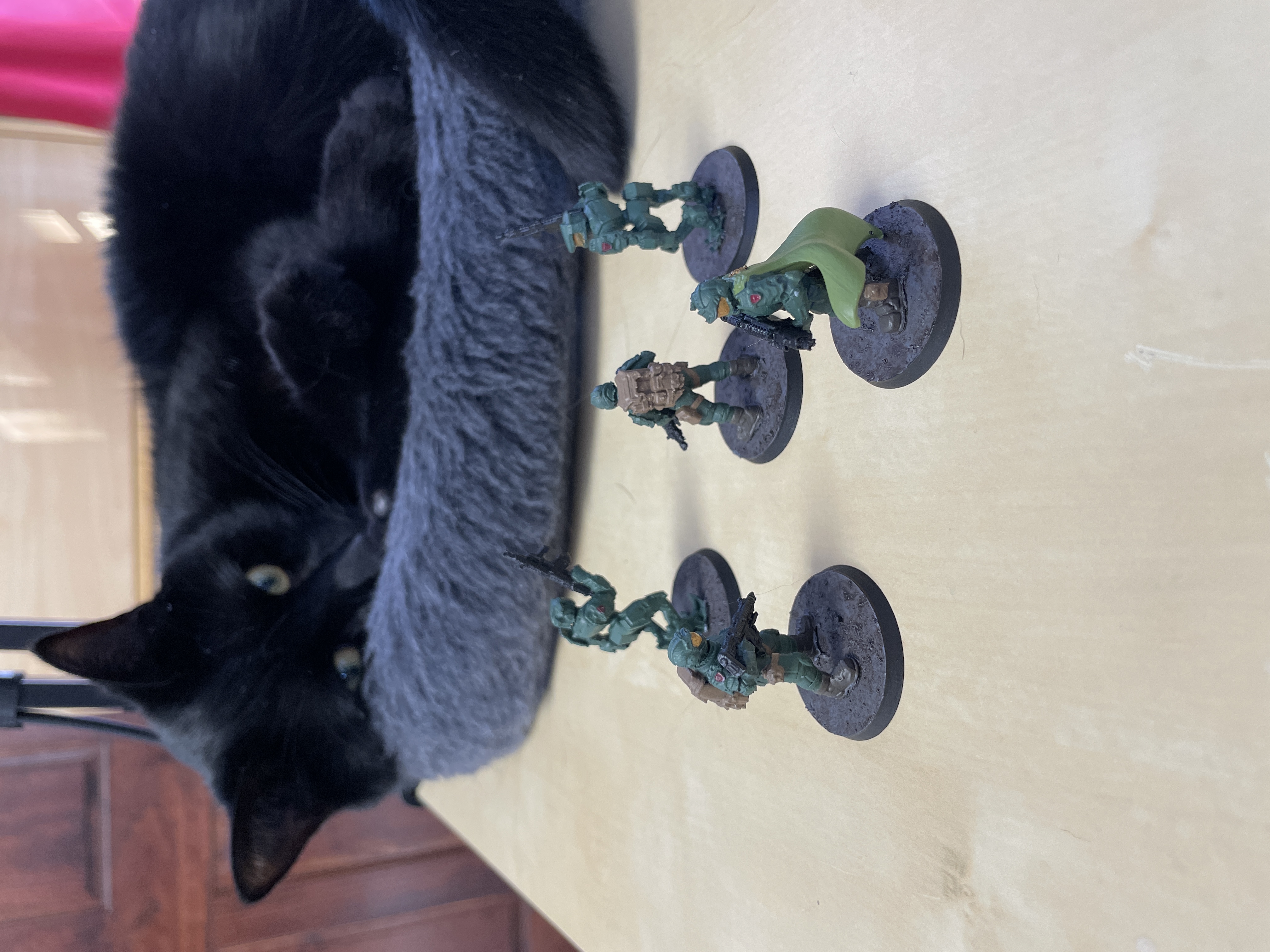 I’ve got a bad feeling about this, Sergeant.
Fedarko, K., A Walk in the Park: Driven by a lifelong interest in the Grand Canyon, and perhaps more than a bit of midlife angst, Fedarko and his longtime friend and collaborator, the photographer Peter McBride, set out to hike the length of the spectacular chasm. With the impeccable logic that the hike itself would get them in shape, they embarked “straight off the couch.” A week later, having sustained damage ranging from flayed feet to life-threatening hyponatremia, they staggered out barely alive, after completing only a tiny fraction of the route. With help from a tight-knit group of veteran hikers, they then undertook the kind of deep planning and preparation they should have done in the first place, eventually returning to finish the transect. What elevates this above other hiking travelogues is Fedarko’s thoughtful exploration of the canyon’s history, with special attention to the people who occupied it for thousands of years before the arrival of Europeans. Along the way, he goes from seeing the landscape as a thing to be conquered, to appreciating it as a living environment to be approached with respect and even reverence. I have no interest in replicating his hike, but am very glad he told me about it.
Clapp, A., Waste Wars: Everyone knows it’s good to recycle; put a plastic bottle in the blue bin, set it out at the curb, and it’ll be taken away to be made into another bottle, right? Recycle your electronics too. That old smartphone can be sent to a facility that’ll dismantle it and reuse its parts to make a new one. But both of those stories, and several related ones, are bullshit, lies made up to assuage our guilt about a massively unsustainable economy of consumption. That bottle will be shipped thousands of miles, with considerable carbon emissions, perhaps to Turkey, or Indonesia, or somewhere in sub-Saharan Africa. There, it will either be buried in an unregulated landfill to leach its toxic components into the groundwater for the next ten thousand years, or burned as inefficient fuel, sending black, toxic smoke into the air. And your smartphone? Also shipped halfway around the world, to be cannibalized by “browser boys” and “burner boys” scraping a poisonous living out of our detritus in a noxious Ghanaian slum. Clapp takes the reader on a tour of this bizarre world of traveling trash, delving into the complex forces of globalized capitalism that brought it into being and sustain it. It’s an eye-popping and important book, and one everyone should read.