December 2025 Reviews
By Alan Dove
Pinborough, S., The Shadow of the Soul: This is the second volume of the Dog Faced Gods trilogy, the first volume of which I read back in October. It was easy to pick up with Detective Inspector Cass Jones again, who is now dealing with the fallout of having narced on most of his precinct while also facing the escalating horrors of a dark alternate London. A pandemic of a super-virulent strain of HIV continues to claim lives at alarming speed, every organization is corrupt, and the economy is in a shambles. DI Jones, meanwhile, has to investigate a series of strange student suicides. Oh, and there’s a lone terrorist who seems to be able to appear everywhere at once.
A couple of the subplots felt like ideas the author had just stuck in to pad the length, with no real relevance to the main story. Her writing style is smooth, though, and I breezed through this middle volume with plenty of momentum to continue the series.
Pinborough, S., The Chosen Seed: The final volume of the trilogy starts with D.I. Jones on the run, framed for murder. He hasn’t stopped investigating the many mysteries twisting around the mysterious Mr. Bright, though, and each new discovery leads him deeper toward a destiny everyone seems to want but him. Who is deliberately spreading the lethal Strain II virus around London, why does a homeless man with a fiddle keep serenading the detective, what does the phrase chaos in the darkness have to do with it, and what happened to his nephew?
The religious fantasy aspects of the story came to the fore in this volume, and while I enjoyed a lot of the worldbuilding, the nature of The Bank and the secretive conclave leading it seemed a bit predictable. Once again, though, Pinborough’s pacing and style kept things moving along, and even if the ending wasn’t exactly surprising, it still felt like a solid resolution.
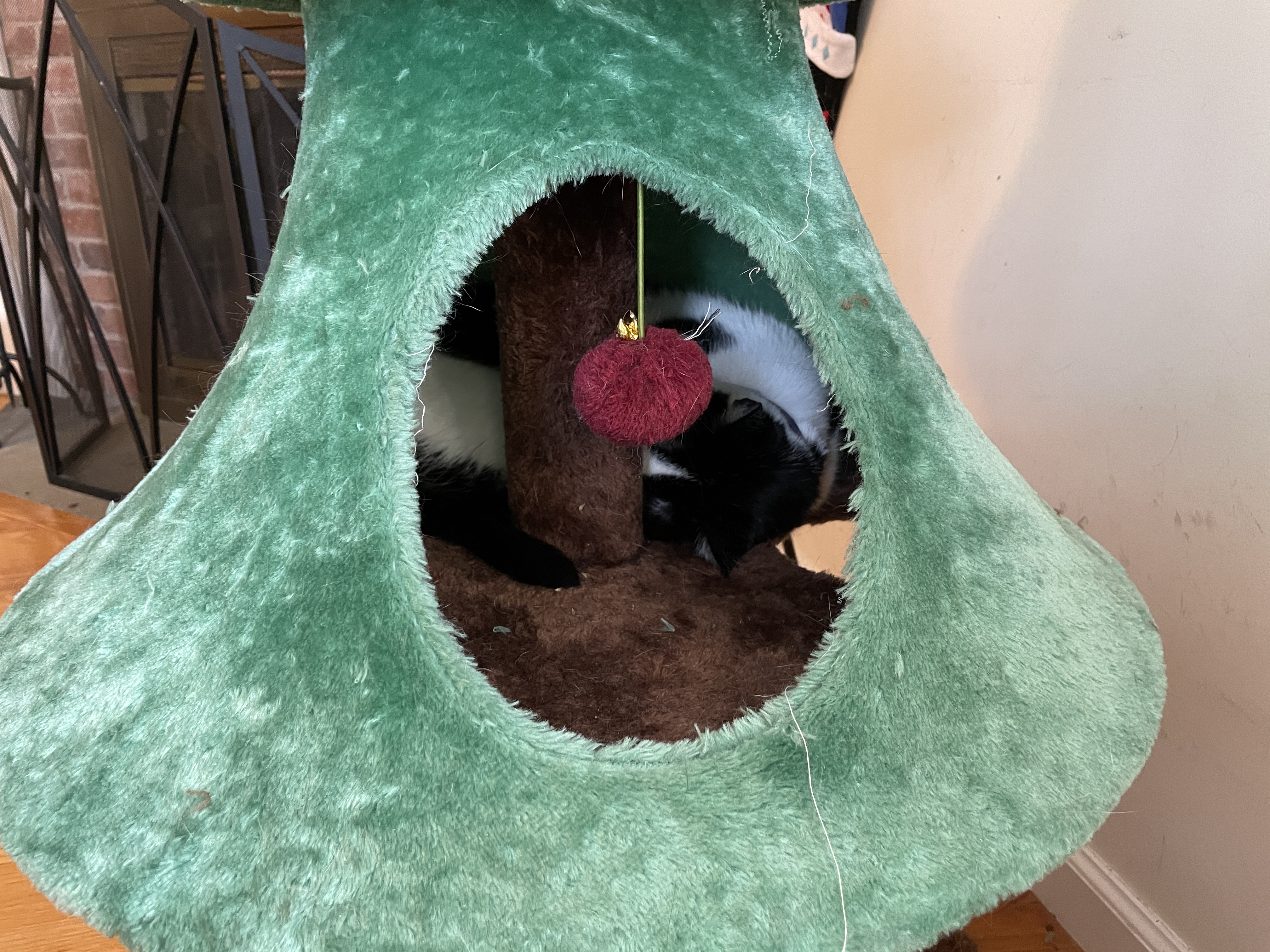 ‘Tis the season to curl up indoors.
Baggini, J., How the World Eats: Nonfiction. I’ve read a good bit more than most people about the global food system, and have also covered several major conferences on it, so while this book is certainly in an area that interests me, I wasn’t expecting any big revelations. Which was good, because there weren’t any. However, if you’re new to discussions of CAFOs, GMOs, the FAO, and all the other acronyms and concepts in the immense but fragile world of modern food, this would be as good a starting point as any.
Being a philosopher, Baggini does a good job breaking the topic down into component parts, then putting them back together to draw some reasonable conclusions. I appreciated that he avoided the extremes that often dominate food discussions - you won’t find any “agribusiness saves the world” or “veganism is the One True Solution” nonsense here. He’s also perceptive enough to understand that the roots of our current food issues are buried deep within the hypercapitalist economic system we’ve built in the last 40 years or so, and fixing that is going to be a long-term project.
Twitty, M., Recipes from the American South: Cookbook. I come from a deeply Southern family. Mom’s folks were from North Carolina and Dad’s from Mississippi, so even though I grew up in the regional limbo of Maryland, Southern food is my birthright. Twitty, a food historian and chef, has compiled and written the closest thing one could have to an authoritative cookbook for this vast, diverse region. The brief introductory paragraphs before each recipe aren’t just filler; they provide important qualifiers and context.
Twitty openly admits that there are seldom “definitive” Southern recipes, that each dish takes on the flavors of its many histories, and that foodways are living things that have always changed with the times. Put another way, my great-grandma’s bread is better than your great-grandma’s bread. Twitty doesn’t try to adjudicate such things; he just presents his own version and says as much. I haven’t cooked anything from this book yet, but have noted a bunch of recipes that I’m anxious to try. Even - or perhaps especially - the ones I don’t quite agree with.
Robinson, C., Ingrained: Memoir. Having grown up around wood and woodworking, Callum Robinson went on to become a master craftsman, eventually gaining a steady stream of projects from wealthy corporate clients. Then one day, he got the call every small business owner dreads, canceling a major job that he’d been counting on to keep his business afloat. Facing the financial ruin of himself, his wife, and their three employees, he reached down to his roots for a solution. The result was a new business and a new outlook on life and work.
I’ve never seen any of Robinson’s woodwork, but his prose is as finely jointed as any I’ve ever read. In lyrical, incisive language, he takes the reader on a journey through the woods, the sawmills, and the workshops in which he grew up, and where he still plies one of the oldest human trades. It’s a book about one life, and also about humanity’s relationship to nature, beauty, art, and craft. Easily one of the best books I read all year.